

 Facebook
 X
 Pinterest
 Copy Link
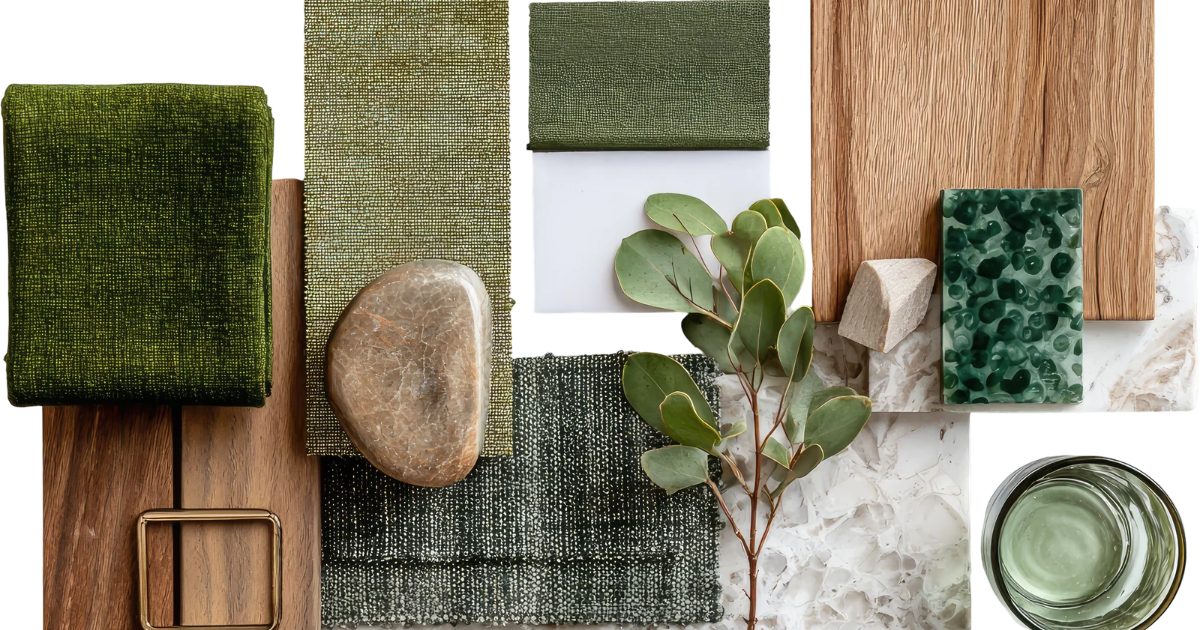
From natural stone and rich wood tones to handmade finishes and beautiful details, here’s what’s shaping luxury interiors — plus specific products and shopping ideas to bring these looks into your own home.
Have you noticed that some of the most beautiful homes aren’t necessarily filled with the most expensive furniture or finishes?
Sometimes, it’s simply how the materials, colors, and textures work together that makes a space feel thoughtfully designed.
With my background in interior design and construction, I’ve always appreciated how the right materials can transform a room. Sometimes that means a major renovation, but other times, something as simple as updating cabinet hardware or introducing a beautiful stone accessory can make a noticeable difference.
Looking ahead to 2027, I’m particularly excited about where home design is heading!
We’re seeing a shift away from perfectly polished, all-white interiors toward spaces that feel warmer, more layered, and full of character.
Think rich walnut, natural stone with beautiful veining, handmade tile, aged brass, and textured walls.
And the best part? You don’t need a luxury renovation budget to incorporate these trends.
I’ve rounded up eight materials worth watching, along with specific products to explore, practical styling ideas, and a few things to consider before investing.
1. Natural Stone: Let the Material Make the Statement
Marble, quartzite, travertine, and limestone continue to have a strong presence in luxury interiors. But rather than limiting these materials to countertops, designers are incorporating them into furniture, decorative objects, lighting, and serving pieces.
Some spaces feature dramatic marble with bold veining, while others embrace the softer, warmer appearance of honed travertine or limestone.
How to bring this trend into your home:
- Style a kitchen island with a natural stone serving tray.
- Introduce marble candleholders or bookends.
- Add a travertine accent table to your living room.
- Consider a statement stone backsplash when renovating.
Shop the Look:
- Crate & Barrel Travertine Beige Round Platter — A beautiful, accessible way to introduce natural stone into your kitchen or dining space.
- Waterworks Andrian Rectangular Tray — A refined marble or travertine accessory that works beautifully on a vanity or console.
- Arhaus Ilaria End Table — A statement furniture piece for anyone looking to incorporate natural stone on a larger scale.
Diana’s Design Note: I love natural stone, but it’s important to understand what you’re purchasing. Marble can etch from acidic foods, and certain stones require more maintenance than others. If you’re renovating a heavily used kitchen, compare several materials before committing.
Beautiful design should also make sense for everyday living!
2. Rich Wood Tones: Warmth Is Making a Comeback
For years, pale oak and light cabinetry dominated interior design. While those finishes are still beautiful, richer woods such as walnut, smoked oak, and burl are gaining attention.
These materials add warmth and depth, particularly when paired with lighter walls, natural stone, and soft textiles.
One detail I particularly love is burl wood. Its unique grain creates visual interest without introducing another color or busy pattern.
How to incorporate it:
- Add a walnut or burl side table.
- Mix darker wood frames with lighter furniture.
- Introduce a decorative wooden box or tray.
- Consider richer wood finishes for built-ins or a home office.
Shop the Look:
- West Elm Pierce & Ward Burl Side Table — A beautiful way to incorporate patterned wood into a living room.
- West Elm Madison Burl Wood Coffee Table — A furniture-scale option featuring the distinctive appearance of burl veneer.
- Arhaus Cinzia Burl Coffee Table — A higher-end statement piece that showcases the warmth and character of burl wood.
Diana’s Design Note: You don’t need every wood finish in your home to match. Mixing light and dark wood tones can create a layered, intentional look. I recommend repeating at least one wood tone elsewhere in the room to keep everything cohesive.
3. Aged Brass and Mixed Metals: It’s Okay Not to Match!
This is one of my favorite shifts in interior design.
For a long time, homeowners felt that cabinet hardware, lighting, faucets, and other metal finishes needed to match perfectly.
Not anymore!
Aged brass, bronze, polished nickel, chrome, and stainless steel are being combined to create spaces that feel more personal.
Unlacquered brass is especially interesting because it naturally develops a patina over time, adding character to the finish.
Simple ways to try this trend:
- Replace outdated cabinet knobs or pulls.
- Add a brass picture light above artwork.
- Incorporate polished nickel or chrome lighting.
- Mix brass accents with existing stainless steel appliances.
Shop the Look:
- Rejuvenation Ball Cabinet Knob — A relatively affordable hardware update, available in different finishes.
- deVOL Aged Brass S Hook — A small detail that can add character to kitchen storage.
- deVOL Aged Brass Hanging Rail — A beautiful functional detail for a traditional or transitional kitchen.
- CB2 Mirabell Ribbed Unlacquered Brass Wall Sconces — A more substantial way to introduce warm metal through lighting.
Diana’s Design Note: If you’re replacing cabinet hardware, measure the existing hole spacing before ordering. Also, understand the difference between lacquered and unlacquered brass. One is intended to preserve its finish, while the other will naturally change over time.
4. Textured Walls: A Beautiful Alternative to Traditional Paint
Flat, uniform walls are making room for finishes with subtle movement and depth.
Limewash, Roman clay, and Venetian plaster are becoming popular because they create a softer, more organic appearance.
Depending on the material and application technique, these finishes can produce variations in color and texture that change with the natural light throughout the day.
I especially love this look in dining rooms, bedrooms, entryways, and powder rooms.
Ways to incorporate it:
- Create a textured accent wall.
- Use a mineral finish in a powder room.
- Highlight a fireplace or architectural niche.
- Experiment with samples before committing to an entire room.
Explore These Finishes:
- Portola Paints Roman Clay — A plaster-like decorative finish that creates subtle movement.
- BAUWERK Lime Wash Paint — A mineral-based finish for creating beautiful tonal variation.
- Vasari Veneziano Plaster — A specialty plaster option for a more customized wall treatment.
Diana’s Design Note: Specialty wall finishes can be more difficult to touch up than standard paint. Before committing, consider moisture levels, natural lighting, surface preparation, and whether professional installation makes sense.
5. Handmade Tile: Imperfection Is Part of the Beauty
We’re seeing a growing appreciation for materials that show evidence of craftsmanship.
Zellige, handmade ceramic tile, and terracotta are beautiful examples.
Unlike machine-produced tile, these materials often feature subtle differences in color, shape, and texture.
Those variations are exactly what make them special!
Where I love this look:
- Kitchen backsplashes
- Powder rooms
- Fireplace surrounds
- Wet bars
- Decorative wall niches
Shop or Explore the Material:
- Zia Tile Pure White Zellige — A versatile option for adding handmade character to a backsplash.
- clé Golden Henna Zellige Hexagon — A warmer, more distinctive tile option.
- Fireclay Wave Ceramic Tile in Haystack Gloss — A decorative ceramic option with interesting shape and texture.
Diana’s Design Note: Always order samples and ask about installation requirements. Uneven edges, glaze variation, and grout spacing can influence the finished appearance. For wet areas, confirm that the specific tile and installation system are appropriate.
6. Luxurious Textiles: Bringing Comfort Back Into Design
Luxury interiors are becoming more inviting, and fabrics play a big role in that shift.
We’re seeing linen, velvet, mohair, cashmere, and other tactile materials layered with harder surfaces such as stone, wood, and metal.
Think linen drapery against rich walnut, a velvet accent chair beside a travertine table, or a soft throw layered over a neutral sofa.
These combinations create a beautiful balance between comfort and sophistication.
Easy ways to incorporate it:
- Replace a few throw pillows with textured fabrics.
- Add a quality linen or wool throw.
- Introduce upholstered dining chairs.
- Consider linen drapery to soften a room.
Shop the Look:
- SFERRA Renna Cashmere Throw — A luxurious finishing touch for a sofa or bedroom.
- Libeco Marshall Throw — A linen-and-wool blend that adds natural texture.
- Brunschwig & Fils Autun Mohair Velvet — A premium upholstery fabric to explore for a custom furniture project.
Diana’s Design Note: Always consider your lifestyle before investing in upholstery. If you have children or pets, durability, cleaning requirements, and fabric performance are just as important as appearance.
7. Woven Materials: Natural Texture With Personality
Rattan, raffia, grasscloth, jute, and other woven fibers are moving beyond traditional coastal interiors.
They’re being incorporated into contemporary, transitional, and traditional spaces to create warmth and texture.
These materials work especially well alongside stone countertops, darker wood furniture, and metal accents.
How to try this trend:
- Add a woven tray to a coffee table.
- Use a rattan basket for blankets or storage.
- Introduce a woven pendant light.
- Consider grasscloth wallpaper in a dining room or office.
Shop the Look:
- Crate & Barrel Scallop Natural Woven Fiber Tray — An accessible decorative accent that also works for entertaining.
- Serena & Lily Beaufort Tray Collection — A more elevated woven accessory to explore.
- Phillip Jeffries Extra Fine Arrowroot Grasscloth — A designer wallcovering for a more substantial room transformation.
Diana’s Design Note: I particularly like woven materials for adding texture without introducing a bold pattern. Keep in mind that natural grasscloth and certain woven fibers may not be ideal for high-moisture areas or spaces requiring frequent cleaning.
8. High-Performance Surfaces: Beauty Meets Functionality
One of the more practical developments in luxury design is the continued improvement of engineered mineral surfaces.
Sintered and ultracompact materials are offering increasingly sophisticated finishes that resemble natural stone while providing different performance characteristics.
For homeowners who love the look of natural stone but prefer lower-maintenance options, these materials may be worth exploring.
Where to consider them:
- Kitchen countertops
- Bathroom vanities
- Backsplashes
- Outdoor kitchens, where approved
- Large-format wall applications
Explore These Materials:
- Dekton by Cosentino — A range of ultracompact surfaces for residential applications.
- Neolith Calacatta Roma — A marble-inspired sintered surface.
- Laminam Calacatta Black — A dramatic large-format surface option.
These are specification materials rather than typical online decor purchases. Contact the manufacturer or an authorized fabricator for samples, availability, and project-specific pricing.
Diana’s Design Note: Don’t choose a countertop based on appearance alone. Ask about edge durability, fabrication requirements, warranty coverage, cleaning instructions, and total installation costs. A material’s performance can vary by product and application.
Shop the Trends: Beautiful Design at Every Budget
One thing I always recommend is being selective.
You don’t need to incorporate every trend into your home. In fact, choosing one or two beautiful materials often creates a more cohesive result.
Here are a few starting points depending on your budget.
Under $150: Small Updates With Beautiful Impact
- Rejuvenation Ball Cabinet Knob — An easy hardware refresh.
- deVOL Aged Brass S Hook — A thoughtful detail for a kitchen.
- Crate & Barrel Scallop Woven Tray — A decorative and functional accent.
- Crate & Barrel Travertine Platter — A beautiful natural stone serving piece.
150–1,000: Statement Accessories and Furniture
- deVOL Aged Brass Hanging Rail
- West Elm Pierce & Ward Burl Side Table
- CB2 Gigi Polished Stainless Steel Floor Lamp
$1,000+: Investment Pieces and Larger Projects
- Arhaus Ilaria Natural Stone End Table
- Arhaus Perth Oval Stone Dining Table
- Arhaus Cinzia Burl Coffee Table
For larger projects, consider custom tile, cabinetry, specialty wall finishes, and countertop upgrades after evaluating the overall cost and installation requirements.
Shopping note: Products and links are provided for inspiration. Prices, finishes, availability, and promotions may change. Confirm current details with each retailer before purchasing.
What About Resale Value?
Here’s where my real estate perspective comes in.
Not every luxury upgrade translates into a higher selling price.
A beautiful marble countertop or custom tile backsplash may enhance a home’s presentation, but that doesn’t automatically mean you’ll recover the full cost when selling.
The condition of the property, quality of installation, neighborhood expectations, and overall price point all matter.
Throughout Mercer County, NJ, and Bucks County, PA, we have such a beautiful variety of architecture — from historic homes and traditional colonials to newer construction and contemporary properties.
What works beautifully in one home may not be the best investment in another.
If you’re planning to sell within the next few years, I recommend evaluating larger upgrades before beginning the project. Sometimes a few strategic cosmetic improvements make more sense than an expensive renovation.
If you’re staying long-term, you have more freedom to invest in finishes that bring you joy and improve your everyday lifestyle.
My Final Thoughts
What I love most about the direction of home design for 2027 is that it feels more personal.
We’re seeing a greater appreciation for natural materials, craftsmanship, and details that give a home warmth and character.
Whether you’re planning a renovation, refreshing a single room, or looking for a thoughtful gift, there are plenty of ways to incorporate these ideas without completely redesigning your space.
And remember, you don’t need to follow every trend. The goal is to create a home that feels beautiful, functions well, and reflects your personal style.
If you’re considering updating your home and would like guidance on which improvements may make sense from a design or resale perspective, I’m always happy to help!




