

 Facebook
 X
X
 Pinterest
 Copy Link
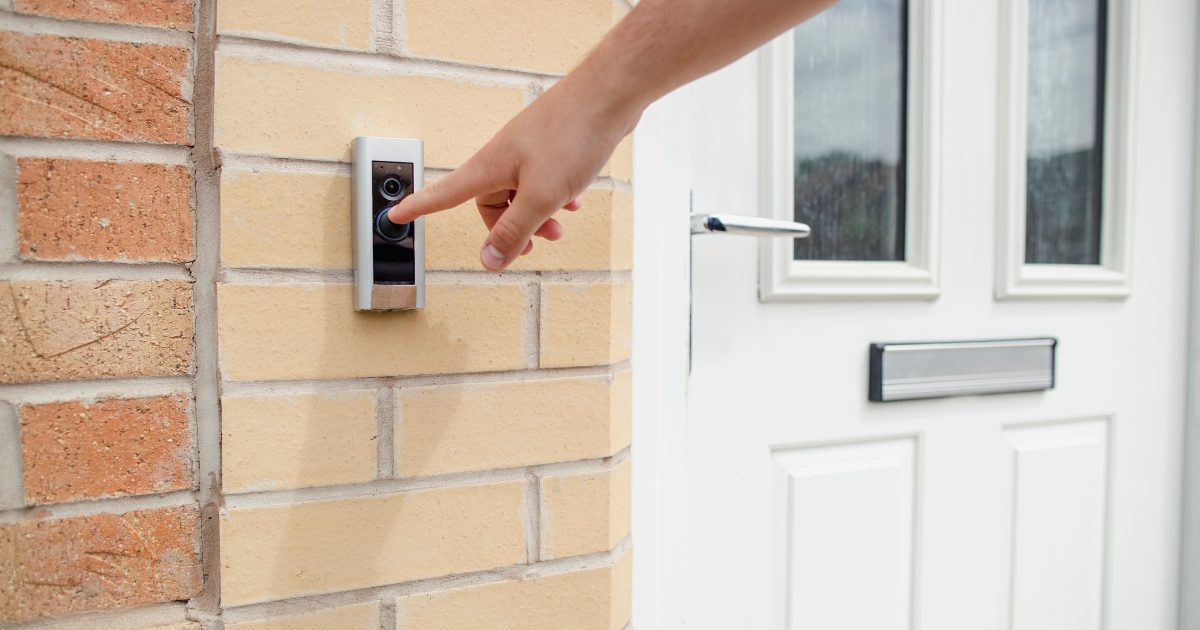
Smart home technology has come a long way from asking a speaker to turn on the lights.
Some of the most useful upgrades right now are surprisingly practical: thermostats that help manage heating costs, doorbells that keep an eye on packages, and water monitors that can catch a leak before it becomes a major repair.
And buyers are paying attention.
According to Zillow’s 2025 Consumer Housing Trends Report, 72% of prospective buyers said smart-home security features were important, while interest in features like smart locks increased from the previous year.
That doesn’t mean adding a few gadgets will automatically increase your appraisal. But the right technology can make a home more efficient, easier to live in, and more appealing when it eventually hits the market.
With colder weather approaching in Mercer County and Bucks County, these are the smart upgrades I think are actually worth considering this fall.
1. Start With a Smart Thermostat
Typical investment: $50–$300
Installation: About 30–60 minutes for many compatible systems
If you make one smart-home upgrade this fall, a thermostat is a very practical place to start.
Nearly half of the average American household’s annual energy bill goes toward heating and cooling, according to ENERGY STAR. ENERGY STAR-certified smart thermostats are independently tested using real-world field data to verify that they save energy.
A Higher-End Option: Google Nest Learning Thermostat
The fourth-generation Google Nest Learning Thermostat normally retails for about $280, although sales can bring it closer to $240.
It learns your routines, allows remote temperature control and includes a separate temperature sensor. It also works with most 24V HVAC systems, including many gas, electric, oil, heat pump and radiant systems.
Best for: Someone who wants a polished, more automated system without needing an ongoing subscription for basic thermostat functionality.
Before You Buy
Check your HVAC compatibility first. Older homes, multi-zone systems and certain heating setups can require additional wiring or professional installation.
Why I like this upgrade: It improves everyday comfort immediately, can help reduce wasted energy and is easy for a future buyer to understand.
2. Upgrade the Doorbell Before the Days Get Shorter
Typical investment: $80–$250
Installation: About 10–30 minutes
A video doorbell isn’t exactly new technology anymore. What has changed is how good the affordable options have become.
Security is currently the smart-home category prospective buyers value most, according to Zillow.
There are two directions I’d consider.
Best If You Don’t Want Another Monthly Bill: Eufy
The Eufy Video Doorbell E340 is around $150 and offers dual cameras, including a downward-facing view that can help you see packages at the door.
More importantly, Eufy offers local-storage options, so homeowners can build a useful security setup without relying on a monthly cloud-storage subscription. Current Eufy doorbells range from roughly $80 to $180 before larger bundles.
Best for: Homeowners who are tired of subscriptions.
Best If You Want a Larger Security Ecosystem: Ring
The newest Ring Battery Doorbell 2K starts at $99.99, while upgraded models run around $180–$250.
Ring estimates installation at about 10 minutes for its battery model, making this one of the easiest upgrades on the list.
The tradeoff is the subscription.
Ring Protect plans currently start at $4.99/month or $49.99/year for one device, adding features like recorded video history and enhanced smart alerts.
Best for: Someone who plans to add more cameras or security devices over time.
3. The Smart Upgrade More Homeowners Should Know About: Leak Detection
Investment: From inexpensive individual sensors to $600+ whole-home systems
Installation: Minutes for sensors; professional installation recommended for automatic shutoff systems
This might be the least exciting upgrade on the list, but it could be one of the most valuable.
Put a small smart leak sensor under the washing machine, water heater, kitchen sink or basement plumbing and your phone can alert you when moisture is detected.
For a more serious system, there are now devices that monitor the entire home’s water supply.
The Moen Flo Smart Water Monitor and Shutoff costs about $624 and is installed directly onto the home’s main water line. It monitors water pressure and flow, looks for unusual usage and can automatically shut off the water if it detects a potentially serious leak.
That’s particularly interesting for our area as we head toward freezing temperatures and homeowners start traveling for the holidays.
Moen says its technology has reduced non-weather water-damage claim events by as much as 96% in insurance-related applications. Some insurers also offer incentives or discounts for qualifying automatic water-shutoff systems, although this varies by carrier.
There’s an optional $5/month FloProtect plan, but the core monitoring and shutoff functionality isn’t dependent on buying that protection plan.
Best for: Finished basements, second homes, frequent travelers and anyone who has already experienced a plumbing leak.
4. Think About Smart Home Technology Differently
Here’s where I think homeowners sometimes get this wrong.
You don’t need to make your entire house “smart.”
A refrigerator with a giant touchscreen or a complicated whole-home automation system may be fun, but I wouldn’t install one simply because you’re hoping it will increase resale value.
Instead, prioritize technology that solves a problem:
A smart thermostat → comfort + potential energy savings
A video doorbell → security + convenience
Leak detection → protection from expensive water damage
Smart locks → easier access without spare keys
Smart lighting → convenience + security when you’re away
Those are features a future buyer can understand within seconds.
And that’s important.
Zillow’s latest research shows that today’s buyers are increasingly drawn to homes that feel thoughtfully updated and move-in ready. However, Zillow also cautions homeowners against assuming every trendy improvement will produce a financial return when it’s time to sell.
So, What Would I Upgrade First?
For most homeowners, I’d start small.
A smart thermostat and video doorbell can both be relatively affordable weekend projects, and you’ll actually use them every day.
If you have a finished basement, older plumbing, travel frequently or simply want another layer of protection, I’d put smart leak detection much higher on the list than another flashy connected appliance.
The goal isn’t to have the smartest house on the block.
It’s to make your home easier to manage, more efficient and better protected.
And those are improvements that make sense whether you’re planning to stay for another ten years or thinking about selling sometime down the road.
Thinking About Your Next Home Project?
I love looking at home improvements through both a design and real estate lens. If you’re wondering which updates are worth making to your Mercer County or Bucks County home, I’m always happy to talk through what makes sense for the way you live now and what future buyers may appreciate later.




